
Summer Dry Eye Relief in Modesto: How OptiLight IPL Can Help
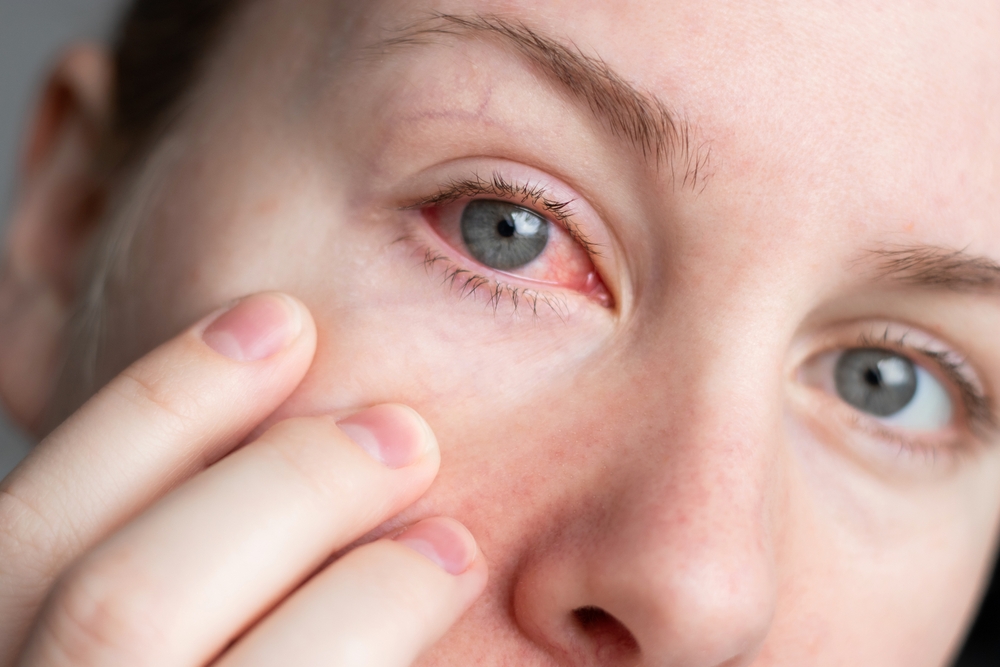
Summer in Modesto often means more time outdoors, stronger sun exposure, air conditioning, wind, dust, and long hours in dry indoor environments. These conditions can make dry eye symptoms more noticeable, especially for people with meibomian gland dysfunction. When the eyelid glands do not release enough healthy oil, tears evaporate too quickly, and the eyes may feel irritated even when lubricating drops are used regularly.
Why Dry Eye Can Feel Worse During Summer
A healthy tear film contains water, oil, and mucus. The oil layer, produced by the meibomian glands along the eyelids, helps slow evaporation. Heat, airflow from fans or air conditioners, dehydration, seasonal allergens, and increased screen use can disrupt this balance.
Common summer dry eye symptoms include:
- Burning, stinging, or gritty sensations
- Redness or watery eyes
- Fluctuating or blurry vision
- Sensitivity to light
- Tired eyes after reading or screen use
Temporary relief from artificial tears may help, but recurring symptoms can indicate that inflammation or blocked oil glands need more targeted care.
How OptiLight IPL Addresses Meibomian Gland Dysfunction
At Valley Optometric Group, we offer OptiLight IPL at our Modesto office to help manage dry eye disease associated with meibomian gland dysfunction. This FDA-approved treatment uses controlled pulses of light around the eyes while protective shields keep the eyes safely covered.
The light energy is designed to reduce inflammatory activity and abnormal blood vessels that can contribute to ongoing eyelid inflammation. It may also support healthier meibomian gland function, improve tear stability, and help interrupt the cycle of evaporative dry eye. Because it addresses factors behind the symptoms, OptiLight can provide a different approach than relying only on drops.
What to Expect During OptiLight Treatment
Our office uses OptiLight’s Optimal Pulse Technology to deliver consistent light energy with precision and control. Specialized handpieces allow us to customize treatment around each patient’s facial contours and target both broader and more delicate areas. This personalized approach is designed to make treatment safe, precise, and comfortable.
A typical OptiLight session takes approximately 15 minutes. For dry eye disease associated with meibomian gland dysfunction, we may recommend a series of four sessions based on your symptoms, eye health, and response to treatment.
Is OptiLight Right for Your Dry Eye Symptoms?
Not every case of dry eye has the same cause. A dry eye evaluation can help determine whether symptoms are related to meibomian gland dysfunction, poor tear production, eyelid inflammation, medication use, contact lenses, environmental exposure, or another condition.
Your optometrist can examine the tear film and eyelid glands, discuss your summer triggers, and recommend a personalized treatment plan. OptiLight may be used alongside options such as warm compresses, artificial tears, eyelid hygiene, or meibomian gland expression when appropriate.
Schedule a dry eye evaluation and learn whether OptiLight IPL is right for you at Valley Optometric Group in Modesto, CA, by calling (209) 527-6640.
Quick Links
Helpful Articles
All Eye Care Services
Find personalized eye care excellence with our comprehensive services. From eye exams to advanced diagnostics, trust us for all your vision needs.
Keep In Touch
For non-urgent questions or to learn more about our services, contact us today!
© 2026 Valley Optometric Group . All rights Reserved - Accessibility Statement - Privacy Policy - Sitemap
Managed and Designed by 